
Introduction
Most homeowners deal with a wet basement at some point. So it’s tempting to grab a tub of sealant from the hardware store and fix it yourself over a weekend.
However, basement waterproofing rarely stays a surface problem for long. If you own a home in Rocky Hill, Hartford, or anywhere in the greater Hartford County area, you already know how hard groundwater, clay soil, and seasonal freeze-thaw cycles push against a foundation.
So when you seal over a symptom instead of fixing the source, the same leak often comes back within a year, and sometimes worse than before.
In this post, we’ll break down the main waterproofing methods, show where DIY approaches fall short, and explain how to know when it’s time to call in a professional.
Exploring Basement Waterproofing Techniques
Basement waterproofing isn’t a single method. Instead, it combines several techniques, and contractors choose them based on how water enters and how much pressure builds behind the wall. Broadly, waterproofing falls into two categories: interior and exterior. Each one solves a different piece of the puzzle.
Interior vs. Exterior Waterproofing: Key Differences
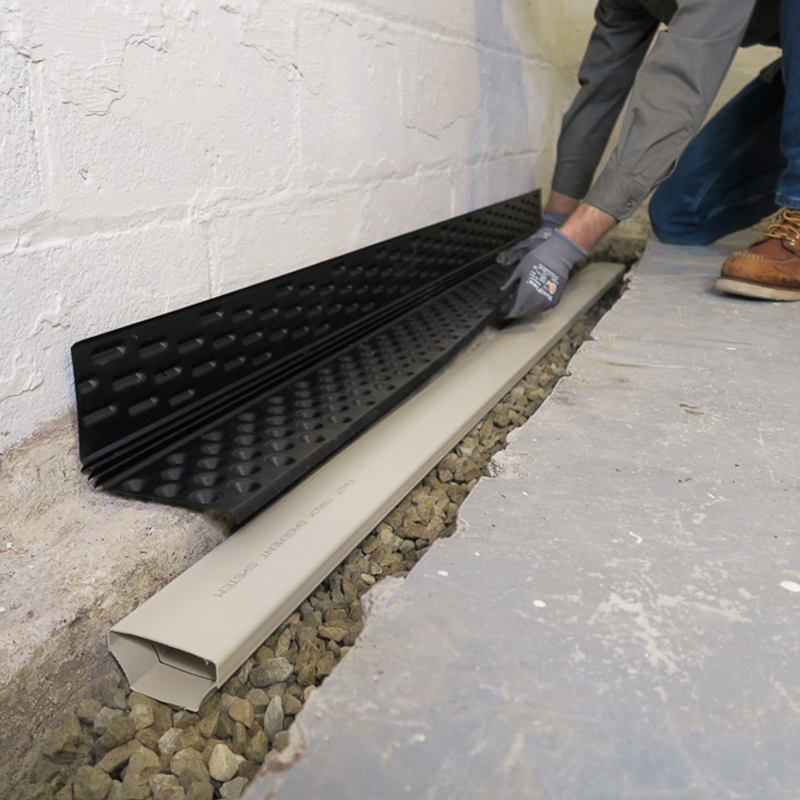
- Interior waterproofing addresses water that has already entered the foundation walls or floor. Typically, this involves interior drainage systems, sump pumps, and vapor barriers. It costs less upfront and requires less disruption, but it doesn’t stop water from reaching the foundation in the first place.
- Exterior waterproofing stops water before it ever reaches the foundation wall. Usually, the crews excavate around the foundation, apply waterproof membranes or coatings, and install exterior drainage systems like footing drains. This method costs more and takes more labor, but it addresses the root cause rather than just managing the symptoms.
In most cases, homes benefit from a combination of both, depending on how severe the water intrusion is and how the property is laid out.
Effective Waterproofing Basement Walls from Outside
When crews waterproof a foundation from the outside, the process usually follows these steps:
- Excavation down to the footing exposes the full foundation wall
- Crack repair using hydraulic cement or epoxy injections happens before any coating goes on
- Waterproof membrane application, such as rubberized asphalt or a liquid-applied coating, seals the wall
- Drainage board installation channels water away from the wall
- Footing drain systems (French drains) redirect groundwater to a discharge point away from the home
Each step depends on using the right materials, grading the soil correctly, and understanding local water table conditions. As a result, this is exactly where DIY projects tend to run into trouble.
Risks Associated with DIY Methods
Potential for More Damage
If you excavate around a foundation without proper shoring, you risk destabilizing the soil and, in some cases, the foundation itself. Similarly, if you apply sealant incorrectly, it can trap moisture inside the wall instead of keeping it out.
Over time, that trapped moisture leads to mold growth or masonry damage that wasn’t there before. And if you rush a crack repair or leave it incomplete, you may mask a structural issue instead of fixing it, which lets the real problem grow worse out of sight.
Insufficient Long-term Effectiveness
Most store-bought sealants and paints work fine for minor dampness, but they can’t handle active water intrusion. They typically come with short warranties, if any, and need reapplication every few years.
Plus, without proper drainage in place, water pressure against the foundation doesn’t just disappear. Instead, it finds a new path in, whether through a different crack, a joint, or the basement floor.
Why Professional Assistance Matters
Comprehensive Services Offered by Companies
A professional waterproofing company looks at the whole system, not just the visible crack or damp spot. So when you hire one, you can expect them to:
- Diagnose the actual source of water intrusion (grading, gutters, hydrostatic pressure, foundation cracks)
- Select the right combination of interior and exterior solutions
- Install systems correctly sized for your property, including sump pumps and drainage
- Provide warranties that reflect confidence in the work
Evaluating Quality of Local Basement Waterproofing Services
Since not all waterproofing companies offer the same quality, it pays to look closely before you hire one. When you compare local basement waterproofing services in Hartford County, look for:
- Proper licensing and insurance — always confirm this before you sign anything
- Local experience — a company that knows Connecticut soil conditions and older home foundations, common throughout towns like Rocky Hill and Hartford, will spot issues a generalist might miss
- Written warranties on both materials and labor
- Transparent inspections that explain what’s causing the leak, not just what package they’re selling
- References or reviews from other homeowners in your area
Guidelines for Homeowners
Assessing Your Skills and Knowledge
Before you decide to DIY, ask yourself these questions honestly:
- Is this a minor damp spot, or does water come in every time it rains?
- Do I have experience with masonry repair, drainage systems, or excavation?
- Do I understand what’s causing the water intrusion, or am I guessing?
- Am I prepared to redo this in a year if it doesn’t hold?
If you answer “I’m not sure” to any of these, that’s a sign the project is bigger than a weekend fix.
When to Call in the Experts
Call in a professional as soon as you notice:
- Standing water or recurring flooding after storms
- Visible cracks in the foundation wall, especially horizontal ones
- Efflorescence (white, chalky mineral deposits) on walls
- A musty smell or visible mold growth
- Bowing or bulging foundation walls
Any of these signs point to an active, ongoing issue that a sealant alone won’t solve.
Conclusion
DIY basement sealing can feel like a quick, affordable fix, but it often treats the symptom rather than the cause. Basement waterproofing is a system, not a single product — and getting it right the first time saves money, time, and stress down the road.
If you’re dealing with a wet basement in the Rocky Hill or greater Hartford area, Premier Basement Solutions & Remodeling can inspect your foundation, identify the real source of the water, and recommend a long-term solution built for your home.